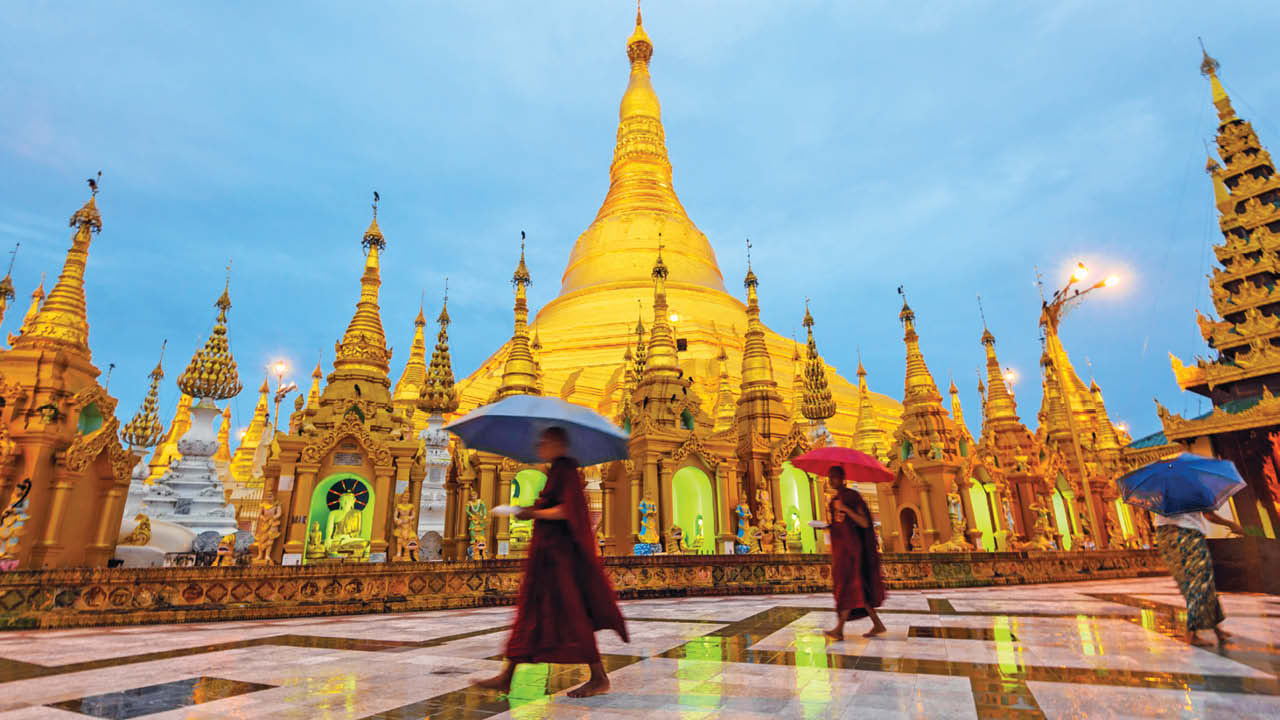
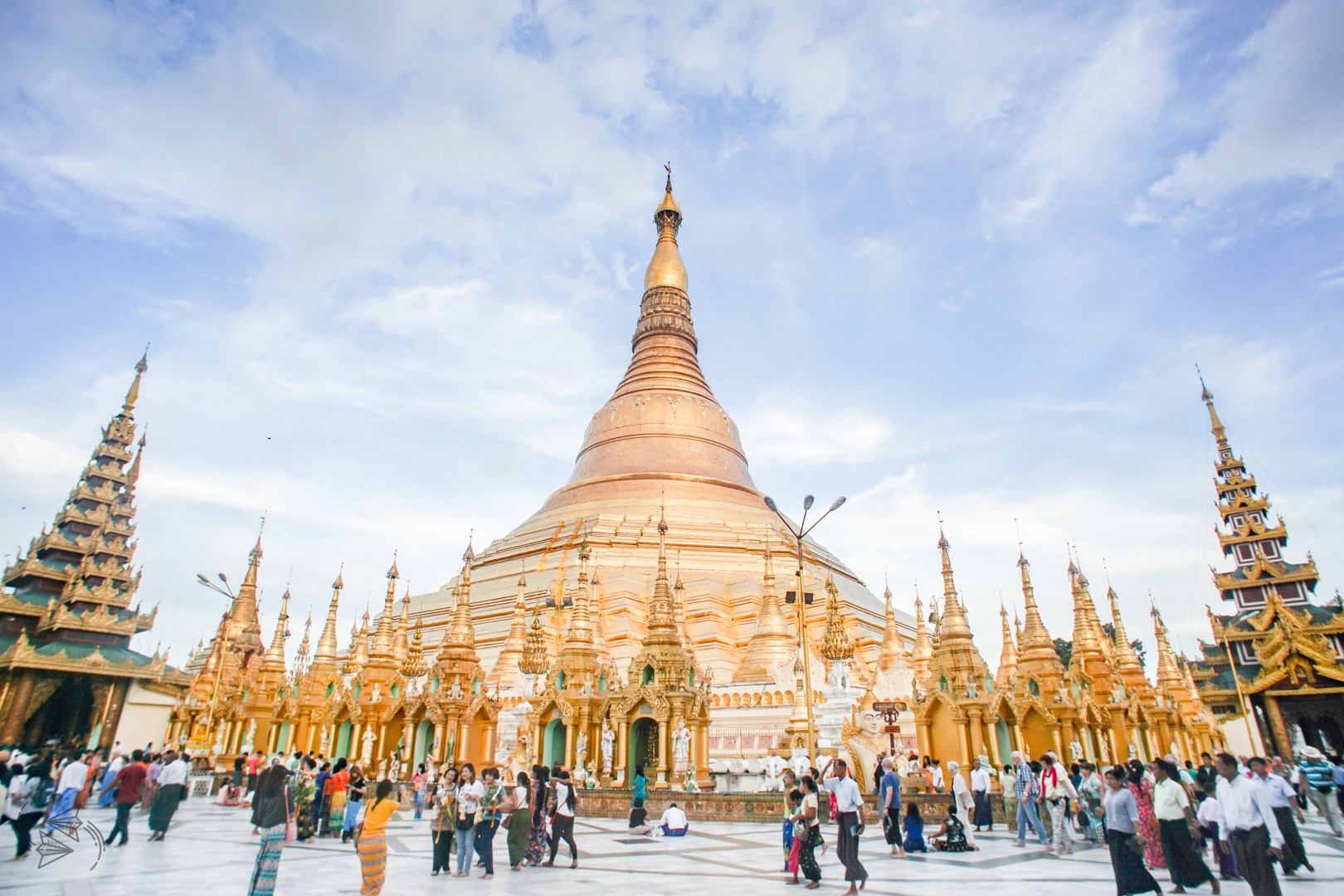
Myanmar, historically known as Burma, is a country of profound spiritual heritage, magnificent landscapes, and incredibly warm, hospitable people. From the thousands of ancient pagodas rising above the plains of Bagan to the iconic Shwedagon Pagoda in Yangon, it remains one of the most culturally authentic destinations in Southeast Asia.
However, the political and security landscape in Myanmar has grown increasingly complex and volatile over recent years. While many global government advisories recommend deferring non-essential travel, independent and mindful travelers do still visit. If you choose to explore this beautiful country, safety must be your absolute highest priority. Navigating Myanmar safely requires thorough preparation, strict adherence to local rules, and an understanding of the current geographical boundaries. Here is what you need to know to ensure a secure and respectful journey.
Sticking Strictly to the Tourist Kite
The most important safety rule for navigating Myanmar is understanding where you can and cannot go. The security situation varies dramatically depending on the region. Large areas of the country’s periphery, particularly border states like Rakhine, Kachin, and Northern Shan, experience active civil unrest and armed conflict, making them entirely unsafe and off-limits to foreign tourists.
To stay safe, travelers must confine their itineraries exclusively to what is known as the “Tourist Kite.” This is a central, diamond-shaped geographic zone that connects four major hubs:
- Yangon: The bustling commercial capital, which functions with relative normalcy, featuring open hotels, restaurants, and active markets.
- Bagan: The world-famous archaeological zone, which has remained peaceful and largely insulated from external conflicts.
- Mandalay: The cultural heart of upper Myanmar.
- Inle Lake: A serene destination in Southern Shan State, famous for its floating villages and unique rowing traditions.
Staying within these established perimeters ensures you remain in areas with functioning tourist infrastructure, police presence, and relative daily stability.
Choosing Air Travel Over Overland Routes
When moving between the cities of the Tourist Kite, your choice of transportation is vital to your safety. In the past, taking long-distance buses or trains through the Burmese countryside was a popular backpacking tradition. Today, overland travel is highly discouraged for foreign visitors.
Highways and rural roads frequently feature military checkpoints, unpredictable roadblocks, and a higher risk of localized unrest. Furthermore, landmines and unexploded ordnances remain a serious threat in rural, unmarked territories near roadside ditches or fields.
To eliminate these risks, always opt for domestic flights to travel between Yangon, Bagan, Mandalay, and Inle Lake. Flying allows you to bypass checkpoints entirely, saves significant time, and ensures a controlled, secure transition from one safe zone to the next.
Mastering Digital Discretion and Local Laws
In Myanmar, the enforcement of local laws can be highly arbitrary, and actions that seem harmless in western countries can carry severe consequences. Navigating the country safely requires absolute compliance with administrative and cultural rules.
First, practice extreme digital and physical caution regarding the government and military. Do not take photographs or videos of military personnel, police officers, checkpoints, government buildings, or official infrastructure. Additionally, before entering the country or passing through airports, ensure your smartphone, laptop, and social media accounts are cleared of any politically sensitive comments, photos, or news articles that could be deemed controversial by local authorities.
Second, respect the nighttime curfews. Depending on the current political climate, cities may enforce strict curfews requiring everyone to be indoors past a certain hour. Always check the current regulations with your hotel staff upon check-in and plan your evening dining and transport accordingly.
Health, Financial Logistics, and Cultural Respect
Because the local health infrastructure is limited outside of private facilities in Yangon, preventive care is essential. Ensure your routine vaccinations are entirely up to date, pack an extensive personal medical kit, and use heavy insect repellent to protect against mosquito-borne illnesses like dengue fever. Buying a robust travel insurance policy that explicitly includes emergency medical evacuation is non-negotiable.
Financially, Myanmar operates primarily as a cash-based economy for tourists. International credit cards are rarely accepted, and ATMs can be unreliable with low withdrawal limits. You must bring a sufficient amount of physical US Dollars to last your entire trip. Crucially, these bills must be in pristine, crisp condition—any tears, folds, stamps, or heavy creasing will result in the money being rejected by local banks and hotels.
Finally, always maintain deep cultural respect. Myanmar is a deeply traditional Buddhist society. When visiting temples, dress conservatively by covering your shoulders and knees, and always remove your shoes and socks before entering sacred grounds. Showing reverence to the local culture builds immediate goodwill, ensuring your interactions with the local people remain warm, safe, and mutually rewarding.
Conclusion: Awareness is Your Best Protection
Myanmar is a destination capable of leaving an indelible mark on your soul, but it is not a place for casual, spontaneous backpacking. Traveling here safely requires you to trade flexibility for structure, stay informed through embassy updates, and respect the strict boundaries of the safe zones.
By staying within the Tourist Kite, choosing flights over highways, keeping a low profile, and respecting both the written laws and unwritten cultural customs, you can experience the breathtaking beauty and profound spirituality of the Golden Land while keeping yourself thoroughly protected.