When one envisions the quintessential Caribbean paradise, the image usually involves incandescent turquoise waters, powdery white sands, and a sense of profound tranquility. Few places on Earth embody this vision as perfectly as the Cayman Islands. A British Overseas Territory located in the western Caribbean Sea, this trio of islands—Grand Cayman, Cayman Brac, and Little Cayman—offers far more than just a world-class financial hub. It is a premier destination for nature lovers, divers, and anyone seeking the therapeutic embrace of a pristine marine environment.
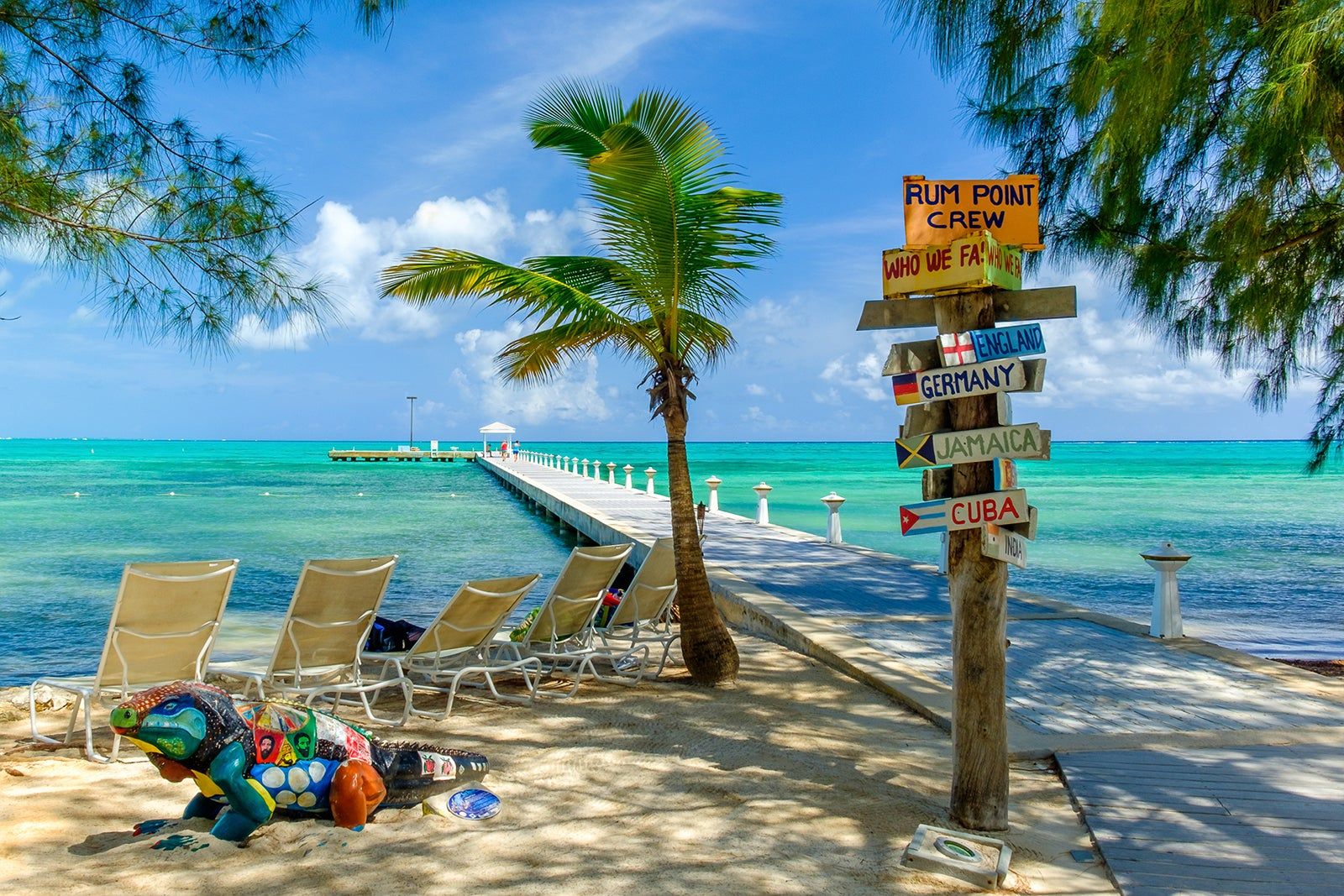
The allure of the Cayman Islands lies primarily in its relationship with the natural sea. The archipelago is situated atop the Cayman Ridge, an underwater mountain range that borders the deepest part of the Caribbean, the Cayman Trench. This unique geography creates a marine ecosystem of unparalleled clarity, biodiversity, and geological drama.
Grand Cayman: The Heartbeat of the Azure
Grand Cayman is the largest and most developed of the three islands, serving as the gateway for most international travelers. Its crown jewel is undoubtedly Seven Mile Beach. Frequently cited as one of the best beaches in the world, this crescent-shaped stretch of coral-sand beach is public property, allowing visitors to walk the entire length regardless of where they are staying.
The water here is so clear that you can see your toes even when chest-deep, a testament to the islands’ lack of runoff from rivers. This clarity makes Seven Mile Beach an ideal spot for casual snorkeling and paddleboarding. However, the true “natural sea” experience in Grand Cayman is found a few miles offshore at the North Sound.
The Legend of Stingray City
No discussion of the Cayman Islands is complete without mentioning Stingray City. This series of shallow sandbars is home to a large population of southern stingrays that have become accustomed to human presence over decades. Originally drawn to the area by fishermen who cleaned their catches in the calm waters, these graceful creatures now interact freely with visitors.
Standing in waist-deep, crystal-clear water while these “puppies of the sea” glide past your legs is a transformative experience. It highlights a unique synergy between human curiosity and marine life. Beyond the thrill, the local government and environmental agencies work tirelessly to ensure these interactions remain respectful and sustainable, protecting the rays’ natural habitat and health.
Little Cayman and the Bloody Bay Marine Park
While Grand Cayman offers cosmopolitan luxury, Little Cayman is a sanctuary for those who wish to disappear into nature. With a permanent population of fewer than 200 people, the island is a testament to the “unspoiled Caribbean.”
The star attraction here is the Bloody Bay Marine Park. Divers from across the globe converge on this spot to witness the famous Bloody Bay Wall. Here, the ocean floor drops off into a sheer vertical cliff that plunges from a mere 18 feet down to over 6,000 feet. The wall is draped in a kaleidoscope of giant barrel sponges, bioluminescent corals, and vibrant sea fans.
The marine life is equally spectacular. It is common to encounter hawksbill turtles, reef sharks, and eagle rays within a single dive. Because the island is so remote, the noise pollution is non-existent, and the underwater visibility often exceeds 100 feet, providing a cinematic view of the Caribbean’s natural sea in its purest form.
Cayman Brac: Adventure Above and Below the Surface
The “middle child” of the islands, Cayman Brac (named after the Gaelic word for ‘bluff’), offers a rugged contrast to its siblings. The island is dominated by a central limestone bluff that rises to 140 feet at the eastern tip, providing dramatic cliffside views and hiking opportunities.
For the sea-lover, “The Brac” offers exceptional wreck diving. The most famous is the MV Captain Keith Tibbetts, a 330-foot Russian frigate that was intentionally sunk to create an artificial reef. Today, it is encrusted in marine growth and serves as a bustling metropolis for groupers, barracudas, and thousands of colorful reef fish. The intersection of human history and natural reclamation makes this a hauntingly beautiful site to explore.
Guarding the Blue: Conservation and Sustainability
The residents of the Cayman Islands recognize that their greatest asset is the natural sea. Consequently, the Department of Environment (DoE) manages an extensive network of Marine Parks and replenishment zones. These regulations are strictly enforced to prevent overfishing and to protect the delicate coral reefs from anchor damage and pollution.
Visitors are encouraged to play their part by using reef-safe sunscreens, which lack the chemicals that cause coral bleaching. Furthermore, the islands are a leader in sea turtle conservation. The Cayman Turtle Centre not only provides an educational experience but also runs a release program that has successfully increased the local green sea turtle population, ensuring that future generations can still see these ancient mariners in their natural habitat.
Planning Your Journey: Essential Travel Tips
The best time to visit the Cayman Islands is typically between December and April, when the weather is at its most pleasant and the humidity is low. While the islands are a year-round destination, the summer months bring warmer waters—perfect for long snorkeling sessions—though it does coincide with the Atlantic hurricane season.
Connectivity and documentation are vital for the modern explorer. Whether you are navigating the Mastic Trail on land or sharing photos of your underwater adventures, keeping your devices functional is a priority. For those venturing to the more remote areas of Little Cayman or spending entire days on a boat, having reliable power is key. Portable power solutions such as solar chargers and power banks are essential for keeping electronic tools like cameras, GPS devices, and smartphones ready for use, ensuring you never miss a moment of the islands’ breathtaking scenery.
Conclusion
The Cayman Islands offer a rare opportunity to witness the Caribbean Sea in a state of pristine preservation. From the social atmosphere of Stingray City to the silent, vertical depths of the Bloody Bay Wall, the islands provide a diverse array of experiences for anyone seeking a connection with the ocean. It is a destination that balances luxury with a deep-seated respect for the environment. By visiting with an appreciative heart and a mindful approach to conservation, travelers can experience the true essence of the Caribbean’s natural sea—a vibrant, blue world that remains as captivating today as it was centuries ago.